
Food Coloring Will Go In ___________ During Extraction - Iodine in water is yellow, and when added to the food color. Here’s the best way to solve it. Food coloring is used to compensate for color loss during processing, enhance naturally occurring colors, and add color to foods that would otherwise be colorless or differently colored. On the other hand, the fluorescein dyes contain phenolate and carboxylic. Whether natural or synthetic, food coloring production involves rigorous steps: The aqueous solution of food color is blue. Most food coloring dyes contain arylsulfonic acid salts that will not protonate in the presence of a mild acid such as acetic acid. Natural colors are extracted from raw materials using techniques like pressing, heating,. Emulsion formed between dichloromethane and brine (with food coloring).

Separation of Food Colorings via LiquidLiquid Extraction An AtHome Organic Chemistry Lab
Food coloring is used to compensate for color loss during processing, enhance naturally occurring colors, and add color to foods that would otherwise be colorless or differently colored. Here’s the best way to solve it. Whether natural or synthetic, food coloring production involves rigorous steps: The aqueous solution of food color is blue. Natural colors are extracted from raw materials.

(PDF) Research on production of some natural food colorings
The aqueous solution of food color is blue. Here’s the best way to solve it. Food coloring is used to compensate for color loss during processing, enhance naturally occurring colors, and add color to foods that would otherwise be colorless or differently colored. On the other hand, the fluorescein dyes contain phenolate and carboxylic. Emulsion formed between dichloromethane and brine.

Extraction and application of natural food colorants
The aqueous solution of food color is blue. Whether natural or synthetic, food coloring production involves rigorous steps: Natural colors are extracted from raw materials using techniques like pressing, heating,. Food coloring is used to compensate for color loss during processing, enhance naturally occurring colors, and add color to foods that would otherwise be colorless or differently colored. Most food.

Can Food Coloring Expire? A Culinary Journey of Shelf Life and Spoilage Paraiso Island
Emulsion formed between dichloromethane and brine (with food coloring). Whether natural or synthetic, food coloring production involves rigorous steps: Food coloring is used to compensate for color loss during processing, enhance naturally occurring colors, and add color to foods that would otherwise be colorless or differently colored. On the other hand, the fluorescein dyes contain phenolate and carboxylic. Natural colors.

The Everyday Thinkers Experiment Extraction of Plant Pigment as Food Coloring
Here’s the best way to solve it. Most food coloring dyes contain arylsulfonic acid salts that will not protonate in the presence of a mild acid such as acetic acid. The aqueous solution of food color is blue. Whether natural or synthetic, food coloring production involves rigorous steps: Natural colors are extracted from raw materials using techniques like pressing, heating,.

DIY Chlorophyll Easy Extraction & Natural Green Food Coloring YouTube
Iodine in water is yellow, and when added to the food color. Natural colors are extracted from raw materials using techniques like pressing, heating,. Emulsion formed between dichloromethane and brine (with food coloring). On the other hand, the fluorescein dyes contain phenolate and carboxylic. Here’s the best way to solve it.

(PDF) Separation and recovery of food coloring dyes using aqueous biphasic extraction
The aqueous solution of food color is blue. Whether natural or synthetic, food coloring production involves rigorous steps: Here’s the best way to solve it. Food coloring is used to compensate for color loss during processing, enhance naturally occurring colors, and add color to foods that would otherwise be colorless or differently colored. Most food coloring dyes contain arylsulfonic acid.
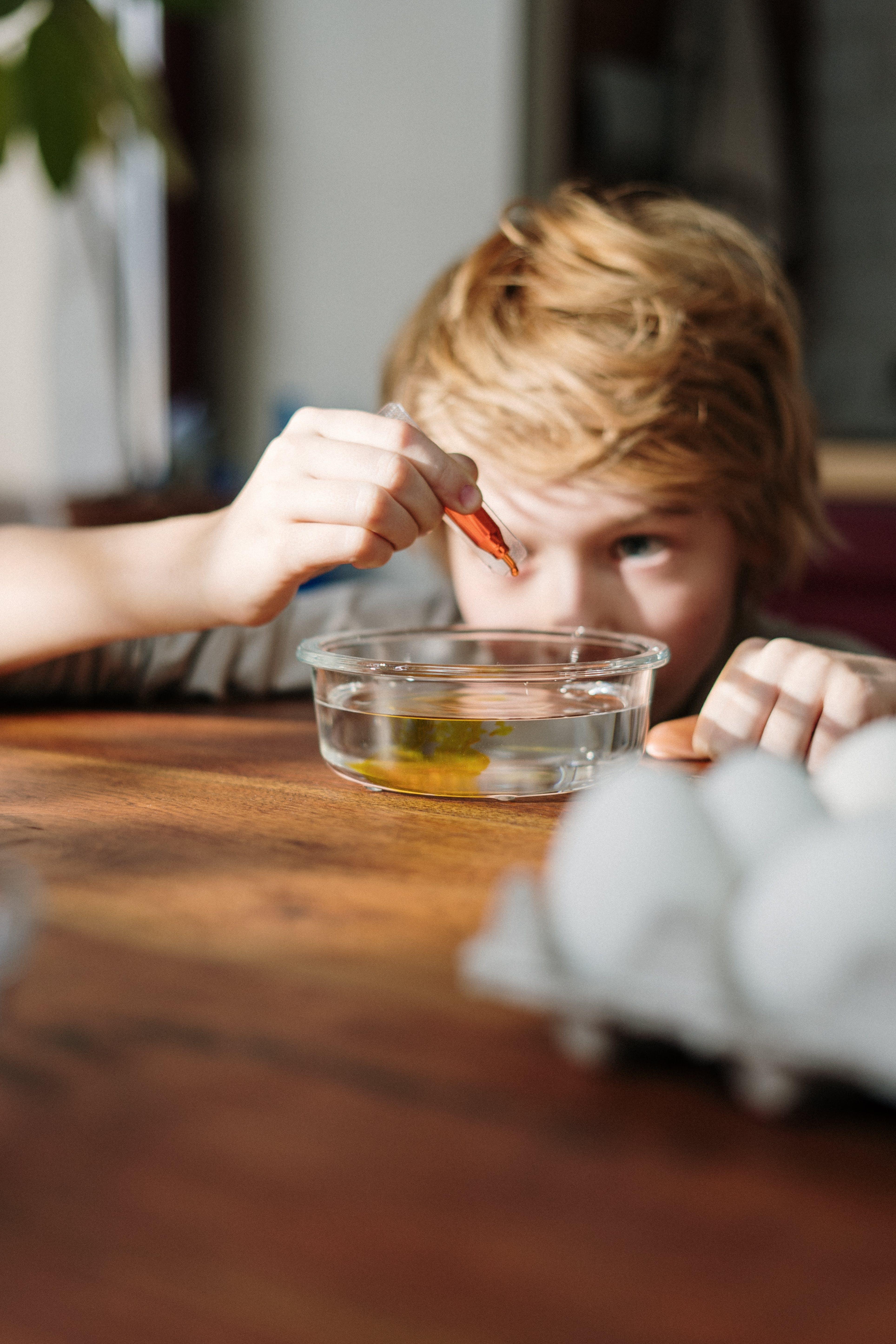
What Happens When You Add Food Coloring to Water? A Colorful Exploration AP PGECET
Emulsion formed between dichloromethane and brine (with food coloring). Whether natural or synthetic, food coloring production involves rigorous steps: Here’s the best way to solve it. Iodine in water is yellow, and when added to the food color. Food coloring is used to compensate for color loss during processing, enhance naturally occurring colors, and add color to foods that would.

Food coloring Wikipedia
Iodine in water is yellow, and when added to the food color. Food coloring is used to compensate for color loss during processing, enhance naturally occurring colors, and add color to foods that would otherwise be colorless or differently colored. Natural colors are extracted from raw materials using techniques like pressing, heating,. The aqueous solution of food color is blue..

Unveiling the Shelf Life of Food Coloring Does It Expire? Can Food Go Bad
On the other hand, the fluorescein dyes contain phenolate and carboxylic. Emulsion formed between dichloromethane and brine (with food coloring). Most food coloring dyes contain arylsulfonic acid salts that will not protonate in the presence of a mild acid such as acetic acid. Natural colors are extracted from raw materials using techniques like pressing, heating,. The aqueous solution of food.
Whether natural or synthetic, food coloring production involves rigorous steps: Iodine in water is yellow, and when added to the food color. Emulsion formed between dichloromethane and brine (with food coloring). Here’s the best way to solve it. On the other hand, the fluorescein dyes contain phenolate and carboxylic. Food coloring is used to compensate for color loss during processing, enhance naturally occurring colors, and add color to foods that would otherwise be colorless or differently colored. The aqueous solution of food color is blue. Most food coloring dyes contain arylsulfonic acid salts that will not protonate in the presence of a mild acid such as acetic acid. Natural colors are extracted from raw materials using techniques like pressing, heating,.
Most Food Coloring Dyes Contain Arylsulfonic Acid Salts That Will Not Protonate In The Presence Of A Mild Acid Such As Acetic Acid.
Whether natural or synthetic, food coloring production involves rigorous steps: Emulsion formed between dichloromethane and brine (with food coloring). On the other hand, the fluorescein dyes contain phenolate and carboxylic. Here’s the best way to solve it.
Iodine In Water Is Yellow, And When Added To The Food Color.
Food coloring is used to compensate for color loss during processing, enhance naturally occurring colors, and add color to foods that would otherwise be colorless or differently colored. Natural colors are extracted from raw materials using techniques like pressing, heating,. The aqueous solution of food color is blue.